
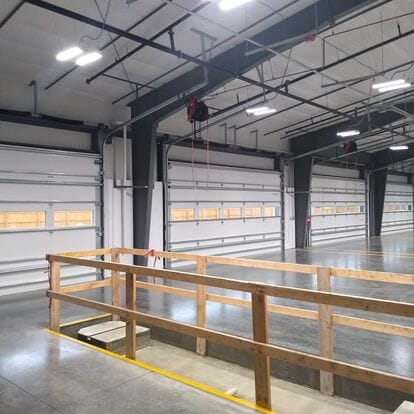
Commercial door maintenance repair is one of those things you do not think about until a door grinds to a stop at 7:30 on a Monday morning. Trucks are lined up, customers are waiting, and you are standing there wondering how a simple roll up door just sidelined your whole operation. Commercial door repair may not be flashy, but it directly affects safety, security, and your bottom line.
If you own a warehouse, auto shop, retail store, or any building with overhead or high speed doors, you already know how much abuse those doors take. Forklift bumps and weather changes happen daily. Constant cycles wear down parts day after day.
The good news is that with the right plan, you can keep those doors running quietly in the background. You can avoid starring in your next facility emergency. It just takes a consistent approach.
Why Commercial Doors Matter More Than Most People Think
Your commercial doors do a lot more than open and close. They protect your inventory and shield staff from accidents. They even help control heating and cooling costs in large facilities.
Think about it this way. A door that will not close all the way immediately becomes a security risk. A door that slams shut too fast creates a liability that can hurt someone.
A door that leaks air is like an open wallet draining your utility budget. These gaps let conditioned air escape and allow pests or moisture to enter. Over time, moisture leads to rust and more expensive repairs.
Many building owners treat doors the same way a lot of homeowners treat basic door maintenance at home. They wait until something breaks and then scramble to fix it. This reactive approach usually costs more than a planned strategy.
Commercial Door Maintenance Repair Basics Every Owner Should Know
You do not need to become a technician, but you do need a basic playbook. Think of this as your quick framework for staying ahead of trouble. Understanding your equipment is the first step.
1. Know Which Types of Doors You Have
Most commercial properties use one or more of these door styles. Knowing the difference helps you spot specific problems.
- Overhead sectional doors with multiple panels that ride along tracks.
- Rolling steel doors that coil up above the opening.
- High speed fabric or rubber doors used in busy loading areas or temperature controlled zones.
- Sheet metal doors for simple openings that still need security.
Each style has its own moving parts and failure points. Sectional doors rely heavily on hinges and rollers. Rolling steel doors depend on a strong barrel and guide system.
High speed doors usually rack up far more cycles each day and need more frequent attention. These high-cycle doors often have complex tension systems. Knowing your door type helps you buy the right lubricants and parts.
2. Break Your Care Plan Into Daily, Monthly, and Annual Tasks
A simple way to think about your doors is by frequency of use and level of risk. A front entrance door or primary loading door needs eyes on it much more often. A storage door you open once a month requires less checking.
Following a schedule prevents small noises from turning into seized bearings. Documentation is also helpful. Keep a logbook of when checks happen.
You can borrow ideas from residential guides too. Reading pieces on door maintenance tips for new homeowners can help you adapt them to the scale of your building.
Common Commercial Door Problems And What They Are Really Telling You
Most door failures start with small symptoms that are easy to miss on a busy day. The door squeaks a little more than usual. It slows down during the lift cycle.
It might start catching on the floor or shuddering. If you learn what these warning signs mean, you can schedule a visit quickly. Fixing a small adjustment is always cheaper than an emergency repair.
1. Misalignment, Binding, And Doors That Drag
If your door looks crooked, leaves uneven gaps, or drags as it moves, that is not just annoying. Misalignment can cause extra strain on rollers, hinges, operators, and tracks. This friction destroys metal parts rapidly.
Causes can include building movement, repeated impacts from equipment, or worn hardware. A technician will usually check track alignment and roller wear. They also inspect mounting brackets and the spring balance of the door.
Ignored long enough, that extra strain often leads to broken parts. Think of it like driving a car with wheels out of alignment. Sooner or later, something vital breaks.
2. Worn Seals And Weatherstripping
If you can see daylight under or around the door from inside, you have a seal problem. You also likely have higher utility bills than you should. Cold drafts in winter or heat in summer will pour through those gaps.
On busy warehouse doors, bottom seals can get shredded quickly. Traffic, ice, dirt, and constant use destroy the rubber or vinyl. Side and top seals also dry out and crack over time.
The fix is usually simple. Replace the seals as soon as you notice light or drafts. Just like other tasks, ignoring them drains money.
3. Broken Springs Or Cables
This is one problem you should never treat as a do it yourself task. Springs carry a heavy load and store a huge amount of energy. Cables lift thousands of cycles of weight every year.
If you hear a loud snap, see a gap in a spring, or notice the door will not stay in place, stop using it. Tag the door out immediately. Call Superior Overhead Doors right away to handle the repair.
Technicians are trained and equipped to handle high tension parts safely. They use winding bars and proper lifts. They will also usually check door balance after replacement so the new parts are not stressed from day one.
4. Operator Issues And Electrical Problems
Operators are often blamed when the door misbehaves, but the operator is sometimes reacting to another problem. Still, there are clear signs the operator itself needs attention. Pay attention to how the motor sounds.
- Door only opens part way then stops or reverses.
- Operator hums but the door does not move.
- Limit settings seem to change so the door over travels or stops short.
Modern commercial operators use logic boards, sensors, photo eyes, and other safety inputs. Problems can come from failed parts or wiring damage. Water intrusion is another common killer of door electronics.
This is another spot where a trained technician makes a big difference. They will check both the physical door and the operator. Then they find out which part is actually at fault.
5. Track Damage From Impacts And Obstructions
Bent tracks are one of the top causes of stuck doors in busy facilities. Forklift forks or pallets clip the track during loading. Debris falls into the guide path and jams the rollers.
If your tracks bow outward, pinch inward, or twist, the rollers can bind. This often shows up first as noisy movement or slow travel. Eventually the door jams, usually when you need it most.
Routine sweeping of door paths and clear marking of loading lanes can prevent many of these problems. You can also install physical guards near floor level. These bollards or guards shield the bottom of tracks from heavy impacts.
Preventive Commercial Door Maintenance Repair That Actually Works
The best door repairs are the ones you never need because you stopped the issue early. A preventive plan does not have to be fancy or complicated. It just has to be consistent and documented.
Simple Checks Your Staff Can Do
Here is a short list you can post by the time clock or break room for staff who operate doors daily. Getting buy-in from your team helps catch issues fast.
- Look at the door before you move it to check if anything is bent, loose, or blocked.
- Listen while it moves for any new grinding, scraping, or loud banging sounds.
- Watch the travel to see if the door shakes, jerks, or stops in a strange place.
- Check the floor line when closed to see if daylight appears under one corner.
Encourage your team to speak up early. Make it easy for them to report a weird noise. It is easier to schedule a planned visit for a small adjustment than rush a service call.
Lubrication And Cleaning That Pay Off
Dirt and lack of lubrication shorten the life of every moving part on a door. Metal grinds against metal until it fails. That is why almost every home and business guide stresses clean tracks.
On commercial doors, use a manufacturer approved lubricant on rollers, hinges, and bearings. Avoid spraying oil or grease on tracks. Tracks usually need cleaning, not extra product that attracts more dust.
Schedule this work during slow hours so it does not interrupt production. For high cycle doors, plan for more frequent attention. Monthly lubrication might be necessary for doors that cycle dozens of times a day.
Training Staff To Use Doors Correctly
A lot of door damage comes from simple habits. People force a door that is stuck instead of stopping. Forklifts bump the tracks while cutting a corner too tight.
Workers might prop doors open with random objects, which damages panels and sensors. You can address much of this with short, clear training. Teach staff what normal operation looks and sounds like.
Show them how to stop and lock out a problem door safely. Make sure they know who to contact if they spot an issue. You will reduce damage, accidents, and downtime with a small amount of clear guidance.
Safety And Compliance Are Not Optional
A faulty door is more than an annoyance. It can violate safety rules and create real risk for anyone working nearby. Modern safety standards for commercial doors exist for good reasons.
Many automatic and high speed doors come with photo eyes, edges, warning lights, or alarms. These are not extras. They are core parts of a safe door system required by regulation.
Industry experts place huge emphasis on safe, reliable doors. You can read about this in coverage of commercial door safety and uptime. These articles discuss timely commercial door service and business impact: commercial door.
Planning A Long Term Commercial Door Strategy
Commercial doors are capital assets, just like your loading equipment, roof, or lighting system. That means they deserve a planned strategy. Do not rely on random reactions when something breaks.
Good long term care usually follows a pattern like this.
- Create a complete door inventory for each building with make, model, and install dates.
- Rank doors by critical use, placing main docks and fire rated doors at the top.
- Set service intervals based on cycles, age, and environment.
- Track service history and repair costs for each opening.
Over a few years, patterns will emerge. You will see which doors eat the most money. You will see which doors hold up well.
That helps you plan replacements at the right time instead of facing one surprise after another. The idea is similar to broader property maintenance planning. Whether it is sliding barn door adjustments or paint touch ups, planning pays off.
Routine, planned work is usually cheaper than urgent, disruptive work. Lifestyle and maintenance coverage often reminds readers of this fact. You can see this in features on sliding barn doors and upkeep: maintenance repair.
Conclusion
Commercial door maintenance repair might feel like one more item on a crowded to do list. Yet, it has a quiet, powerful effect on your business every day. Smooth, reliable doors keep staff safe and protect your stock.
They control energy costs and keep work flowing on schedule. Ignored doors, on the other hand, show up as injuries, damage, and delays. Sudden repair bills always seem to hit at the worst times.
The choice is not between spending money or avoiding it. It is between controlled, planned investment in upkeep and random, costly surprises. Building a basic routine for checks, cleaning, and timely professional care makes sense.
You treat your commercial doors like the critical equipment they really are. If you ever doubt that this matters, picture that Monday morning again. Doors working quietly allow trucks to move and staff to focus.
That is what smart commercial door maintenance repair really buys you. You get calm, control, and fewer bad surprises.