
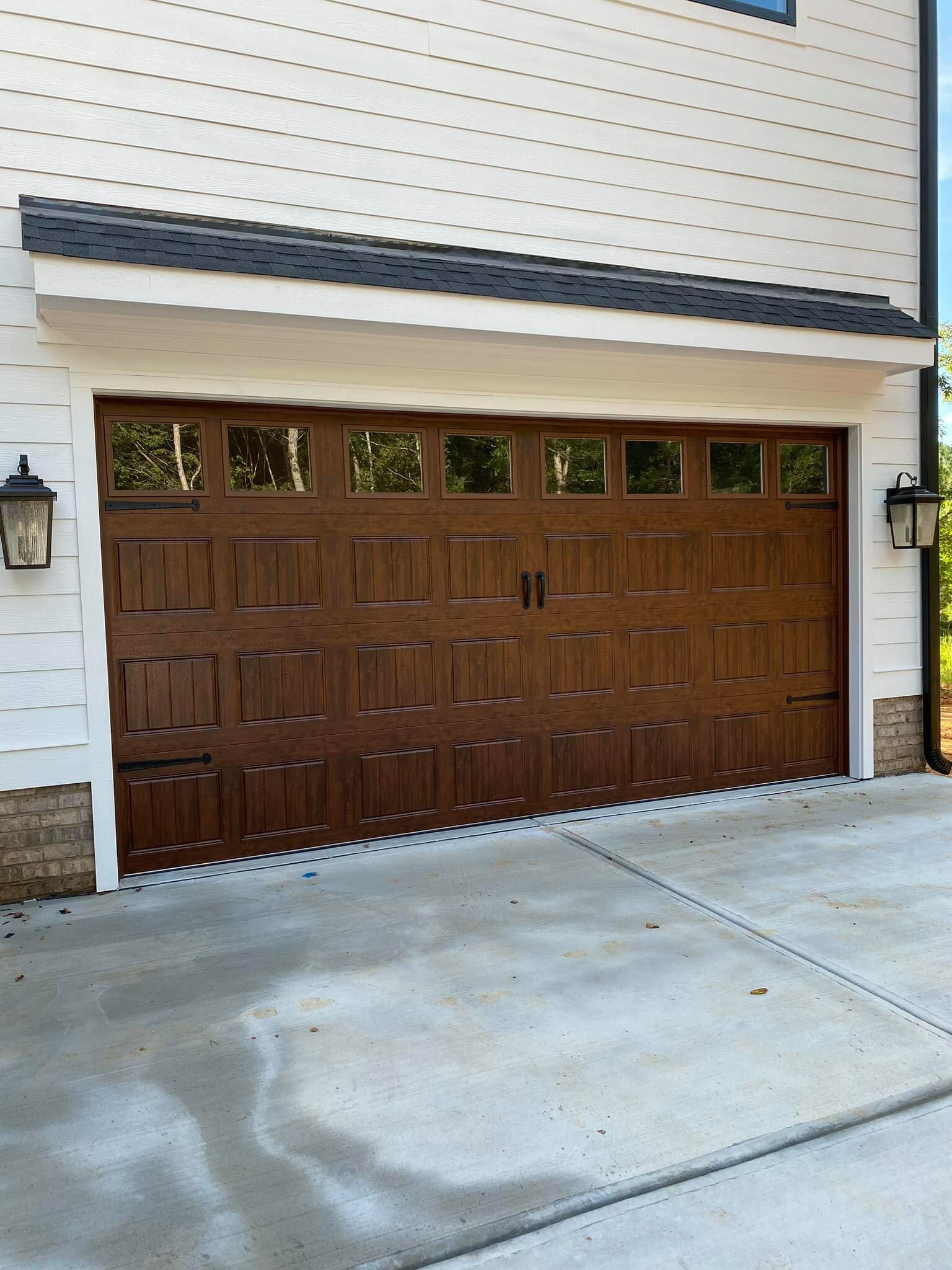
At Superior Overhead Doors, we know there’s nothing quite like the warm, classic look of a real wood garage door. They add a certain character to homes in and around Sanford, NC, that other materials just can’t match. But you already know this, because it’s probably why you chose it for your garage door installation.
You also know that its natural beauty comes with a catch: it needs some love to stay looking great. Good wood garage door maintenance isn’t a huge chore, but it’s necessary. You’ve made a great investment, and some simple, regular wood door care will help protect it for years.
Your beautiful door faces sun, rain, and cold just like the rest of your home’s exterior. A little attention now saves you from big headaches and costly garage door repair later on. You also don’t have to be a professional to handle garage door maintenance.
Why a Little Care Goes a Long Way
Think about any other wood on your home’s exterior, like a deck or fence. You wouldn’t let it go for years without taking care of it, right? Your garage door is the same. Because it’s a natural material, wood reacts to its environment.
Moisture is the No. 1 enemy, leading to rot and warping that can ruin wooden garage doors. Pests see damp wood as an open invitation. A little bit of proactive care keeps these problems away and helps your door work smoothly every day.
Simple Guide to Wood Garage Door Maintenance
You can break down the process into a few simple checks and tasks. Doing these a couple of times a year will make a massive difference. You’ll keep your garage door in top shape and catch small problems before they become big ones.
Start With a Good Inspection
The first step is always to just look. You’ll want to inspect your door for any signs of trouble, paying close attention to areas near the ground. These spots get hit with the most moisture from rain and sprinklers.
Perform a visual annual inspection from both the inside and outside. Look for cracks, chips, or splits in the wood panels. Pay attention to the state of the paint or stain. If it’s peeling, fading, or bubbling, it’s a sign that the protective coating is failing.
Get a screwdriver and gently poke the wood, especially along the bottom panel and trim. The wood should be firm. If the screwdriver sinks in easily or the wood feels soft, you have likely found rot and should call a professional for help.
Look for Unwanted Guests
While you’re checking for rot, keep an eye out for pests. Termites and other insects are drawn to softened, moist wood. Look for small holes, sawdust-like material, or the bugs themselves, as this is evidence of termite damage.
Spotting an infestation early is critical. If you find evidence of pests, don’t wait. You’ll need to contact a pest control service to handle the problem before more damage happens.
Give It a Good Wash
Your garage door collects a lot of dirt, pollen, and grime over the seasons. At least once a year, you should give it a proper cleaning. A clean surface helps the door’s finish last longer.
You can use a simple mixture of mild dish soap and warm water with a soft cloth or sponge. Avoid harsh chemicals that could harm the finish. It’s also important to resist using a pressure washer, as the force can splinter the wood and drive water deep into seams.
Plan your cleaning for a warm, sunny day. The door needs to be completely dry before you do any refinishing, so good weather helps. This also gives any new finish you apply plenty of time to cure properly.
Refinish and Seal for Protection
The stain or paint on your wood garage door is its shield against the elements. Over time, the sun’s UV rays and constant exposure to weather will break down this protective layer. According to the U.S. Department of Agriculture, a quality exterior finish is vital for protecting wood from moisture and sun damage.
Before applying a new protective coating, proper preparation is crucial. You may need to lightly sand the surface to remove the old finish and create a smooth base. Always wipe away sanding dust with a clean cloth before you begin.
Choose a high-quality exterior-grade paint or stain that offers UV protection to shield the door from the sun. A good finish will also weatherproof your door against rain and humidity. Plan on reapplying a fresh coat every couple of years, depending on your local climate.
A simple maintenance schedule can make this process easier to manage.
Check the Moving Parts
Your garage door is more than just wood. It’s a system of moving parts. All that hardware needs to work together for the door to open and close safely. Take a few minutes to check the hinges, rollers, and tracks.
Make sure all the screws and bolts on the hinges are tight. Look at the rollers to see if they’re worn or cracked. Then, lubricate garage door parts like hinges, rollers, and springs to keep everything moving without strain.
Use a silicone spray or white lithium grease designed for garage doors. Avoid products like WD-40 on these components, as they can attract dust and grime that gum up the works. If you hear loud scraping or grinding, it’s a signal that something is wrong.
The springs and cables are under extreme tension. For safety’s sake, never attempt to adjust these parts yourself. This is a job for a qualified garage door company.
Test the Weather Sealing
The flexible seal at the bottom of your garage door keeps out water, drafts, and pests. Over time, it can become brittle, cracked, and worn out. This leaves a gap for the elements to get inside your garage.
An easy way to check the garage door seal is to close the door during the day and turn off the lights inside. If you see daylight peeking through along the bottom or sides, your seals aren’t doing their job. Replacing weather stripping is a simple fix you can do yourself with kits from a hardware store.
Final Thoughts
Your wood garage door is a standout feature of your home, and it deserves to be protected. With a little attention a few times a year, you can easily handle basic wood garage door maintenance yourself. These simple steps of inspecting, cleaning, sealing, and lubricating will preserve its natural beauty.
This routine maintenance also helps your door operate safely for years to come. A little bit of work now truly pays off in the long run, saving you from expensive repairs and preserving your home’s curb appeal.